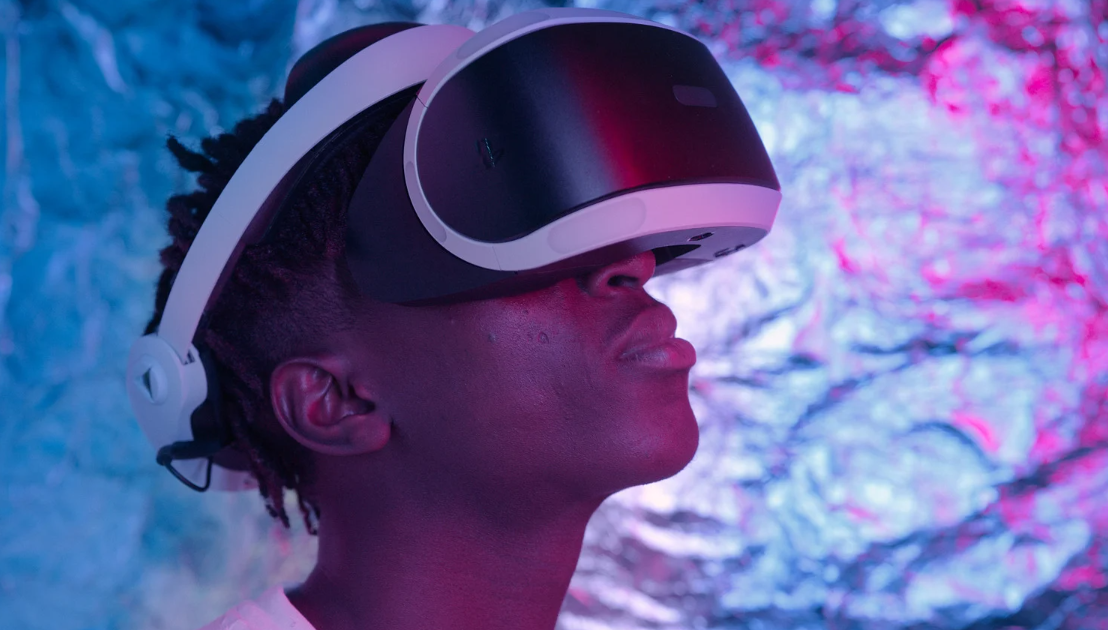
Virtual reality (VR) and augmented reality (AR) technologies have transformed the way we experience and interact with digital content. These immersive technologies offer exciting possibilities across various industries, from gaming and entertainment to healthcare and training. However, as VR and AR become more prevalent, they bring unique challenges and considerations for liability insurance. In this blog post, we will explore the impact of VR and AR on liability insurance and discuss key factors that insurers and businesses should consider in this rapidly evolving landscape.
Enhanced User Experience, Enhanced Risks:
VR and AR technologies provide users with immersive experiences that blur the line between the physical and virtual worlds. This heightened sense of presence and interactivity introduces new risks and potential liabilities. Insurers need to assess the increased risks associated with user actions, equipment malfunctions, and potential harm caused by virtual elements.
Product Liability for VR/AR Devices:
Manufacturers and distributors of VR/AR devices face potential product liability claims. If a device malfunctions or is defective, resulting in injuries or property damage, the manufacturer or distributor may be held liable. Insurers must evaluate the safety and quality control measures of these devices to ensure appropriate coverage and protection for manufacturers and distributors.
Content Creation and Intellectual Property:
VR and AR content creators face legal risks related to intellectual property infringement. Using VR or AR to recreate copyrighted materials or incorporate trademarks can lead to legal disputes. Liability insurance can help protect content creators against claims arising from copyright, trademark, or patent infringement and provide coverage for legal defense costs.
User Safety and Training Programs:
VR and AR are increasingly used in training programs across industries, including healthcare, aviation, and manufacturing. However, if inadequate safety measures are in place or training programs are poorly designed, users may be at risk of injury or accidents. Liability insurance should address potential claims arising from inadequate training, improper instructions, or equipment failures that result in user harm.
Cybersecurity and Data Privacy:
VR and AR technologies rely heavily on data collection and processing. This introduces cybersecurity and data privacy risks, including unauthorized access to personal information or breaches of virtual environments. Liability insurance must encompass coverage for potential cybersecurity incidents, data breaches, and the associated legal and financial consequences.
Virtual Property and Digital Assets:
As virtual worlds expand, users invest time and money in acquiring virtual property and digital assets. This includes virtual real estate, virtual currencies, and virtual items with monetary value. Insurers must consider coverage for loss, theft, or damage to virtual property and digital assets, as well as the potential liability arising from disputes or fraud related to these assets.
Third-Party Liability in Virtual Environments:
Virtual environments can host social interactions and user-generated content, opening the door to potential third-party liability. In cases where users engage in virtual activities that result in harm to others or damage to property, liability insurance should address the associated legal claims and provide coverage for third-party liabilities arising from actions within virtual environments.
As VR and AR technologies continue to evolve and become more integrated into our daily lives, liability insurance must adapt to address the unique risks and challenges they bring. Insurers and businesses alike must consider the potential liabilities associated with these immersive technologies, including product defects, intellectual property disputes, user safety, cybersecurity, virtual property, and third-party interactions. By recognizing and addressing these risks, insurers can develop specialized coverage options that protect businesses and users while fostering the continued growth and innovation of VR and AR applications.
 Insurance Insider