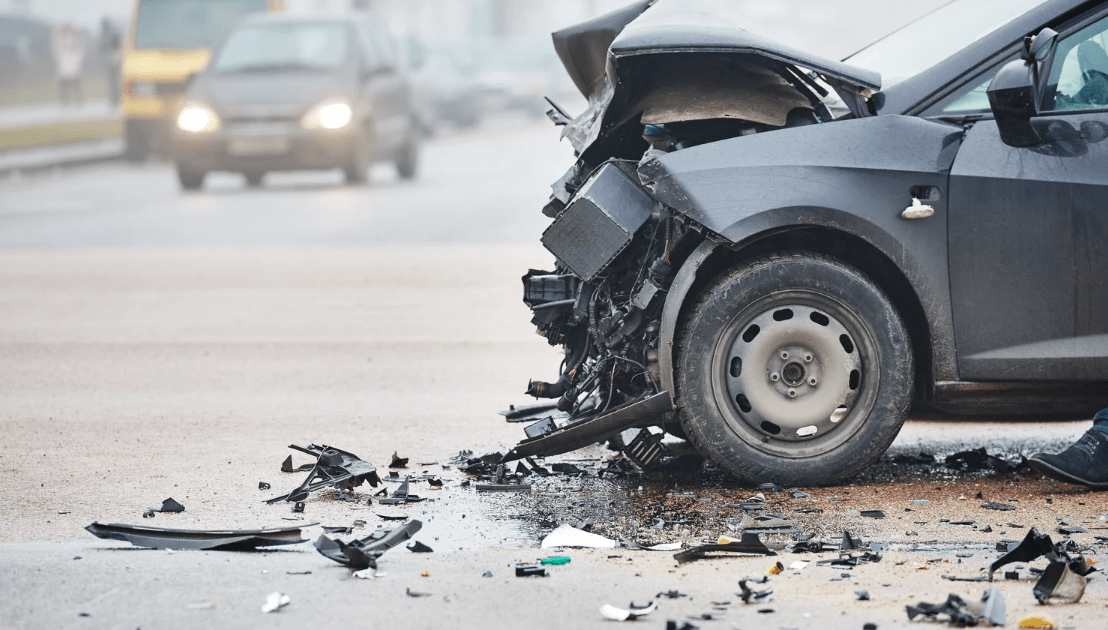
When it comes to auto insurance, collision and comprehensive coverage are two important types of coverage that protect against different types of damage to your vehicle. Here are the key differences between collision and comprehensive auto insurance:
Collision Coverage:
Collision coverage helps pay for damage to your vehicle resulting from a collision with another vehicle or object, regardless of who is at fault. This type of coverage typically covers damage from accidents with other cars, collisions with stationary objects, and rollovers. If you’re involved in an accident, collision coverage can help pay for repairs to your car or the cost of replacing it if it’s totaled.
Comprehensive Coverage:
Comprehensive coverage helps pay for damage to your vehicle resulting from non-collision events, such as theft, vandalism, natural disasters, and animal collisions. This type of coverage also typically covers damage from falling objects and windshield damage. If your car is stolen or damaged by a covered event, comprehensive coverage can help pay for repairs or the cost of replacing your car.
Key Differences:
- Covered Events: Collision coverage covers damage resulting from collisions with other vehicles or objects, while comprehensive coverage covers damage resulting from non-collision events.
- Fault: Collision coverage is typically used when you are at fault in an accident, while comprehensive coverage can be used regardless of fault.
- Cost: Collision coverage typically costs more than comprehensive coverage, as it covers a wider range of potential accidents.
- Deductibles: Collision and comprehensive coverage both have deductibles, which are the amounts you pay out of pocket before your insurance coverage kicks in. Deductibles for collision coverage are typically higher than deductibles for comprehensive coverage.
In summary, collision coverage is designed to cover damage resulting from collisions with other vehicles or objects, while comprehensive coverage is designed to cover damage resulting from non-collision events. Both types of coverage have deductibles, but collision coverage typically costs more and has higher deductibles. Understanding the differences between collision and comprehensive coverage can help you choose the right type of coverage to protect your vehicle.
 Insurance Insider