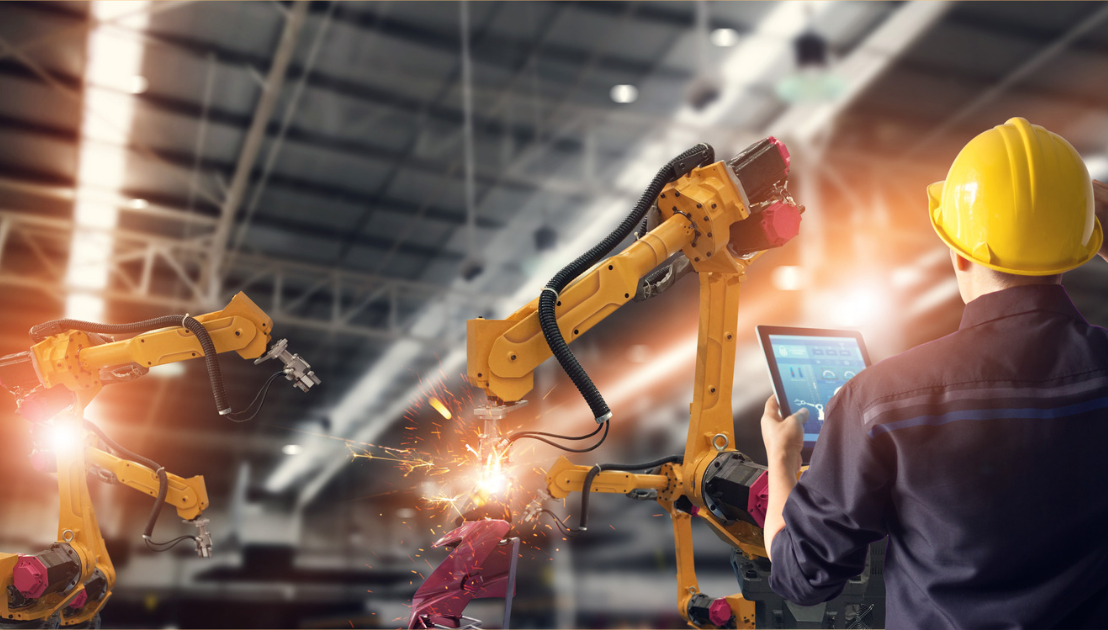
Autonomous robots are revolutionizing industries by taking on tasks that were once performed by humans. From self-driving cars and delivery drones to robotic manufacturing systems, these advanced machines offer efficiency, precision, and improved productivity. However, with the rise of autonomous robots comes a new set of challenges and considerations for liability and product insurance. In this blog post, we will explore the impact of autonomous robots on insurance coverage and delve into the evolving landscape of liability and product insurance in the age of automation.
Shifting Liability Paradigm:
The introduction of autonomous robots raises questions regarding liability when accidents or incidents occur. Unlike traditional scenarios where human error is often to blame, autonomous robots operate based on algorithms and artificial intelligence, making it challenging to assign liability. As a result, the liability paradigm is shifting, and insurance policies need to adapt accordingly.
Product Liability for Autonomous Robots:
Autonomous robots are complex machines that can potentially cause harm or property damage if they malfunction or operate in unintended ways. Product liability insurance for autonomous robots covers damages and injuries caused by defects or failures in the design, manufacturing, or programming of the robots. Manufacturers and developers of autonomous robots must ensure they have adequate product liability coverage to address potential risks and claims.
Cybersecurity and Data Privacy:
Autonomous robots rely on advanced technology and connectivity, making them vulnerable to cyber threats and data breaches. Insurance coverage for cybersecurity and data privacy becomes essential to protect against potential hacking attempts, unauthorized access, or theft of sensitive data. Insurers are developing specialized policies to address the unique risks associated with autonomous robots and the potential implications of cybersecurity incidents.
Human-Machine Interaction:
As autonomous robots increasingly interact with humans in various settings, the question of liability arises when accidents or injuries involve both human and machine factors. Determining responsibility in such cases can be complex. Insurance policies may need to account for shared liability between humans and robots or define coverage scenarios based on the level of human supervision or control over the autonomous systems.
Regulatory Compliance:
The introduction of autonomous robots has prompted regulatory bodies to develop frameworks and standards to ensure safety, ethics, and accountability. Compliance with these regulations becomes crucial for businesses deploying autonomous robots. Insurance policies may require adherence to specific regulatory guidelines, and insurers may offer coverage discounts or incentives for companies that demonstrate compliance with established standards.
Risk Assessment and Underwriting:
Insurance companies need to adapt their risk assessment and underwriting processes to account for the unique risks posed by autonomous robots. Assessing the safety protocols, risk management practices, and technical capabilities of businesses using autonomous robots becomes vital in determining appropriate coverage and premiums.
Industry-Specific Considerations:
Different industries employ autonomous robots for various purposes, such as manufacturing, transportation, healthcare, and agriculture. Each industry has its own set of risks and insurance considerations related to autonomous robot use. Insurers are developing industry-specific insurance policies that address the unique needs and challenges of each sector.
The rapid advancement of autonomous robots presents exciting opportunities for industries worldwide. However, with these advancements come new insurance considerations. The impact of autonomous robots on liability and product insurance is a complex and evolving landscape. Insurers, businesses, and regulators must collaborate to develop appropriate coverage solutions that address the unique risks and challenges posed by autonomous robots. By embracing this technological transformation and ensuring adequate insurance coverage, businesses can navigate the future of automation with confidence, knowing that they are protected from potential liabilities and risks associated with autonomous robot operations.
 Insurance Insider