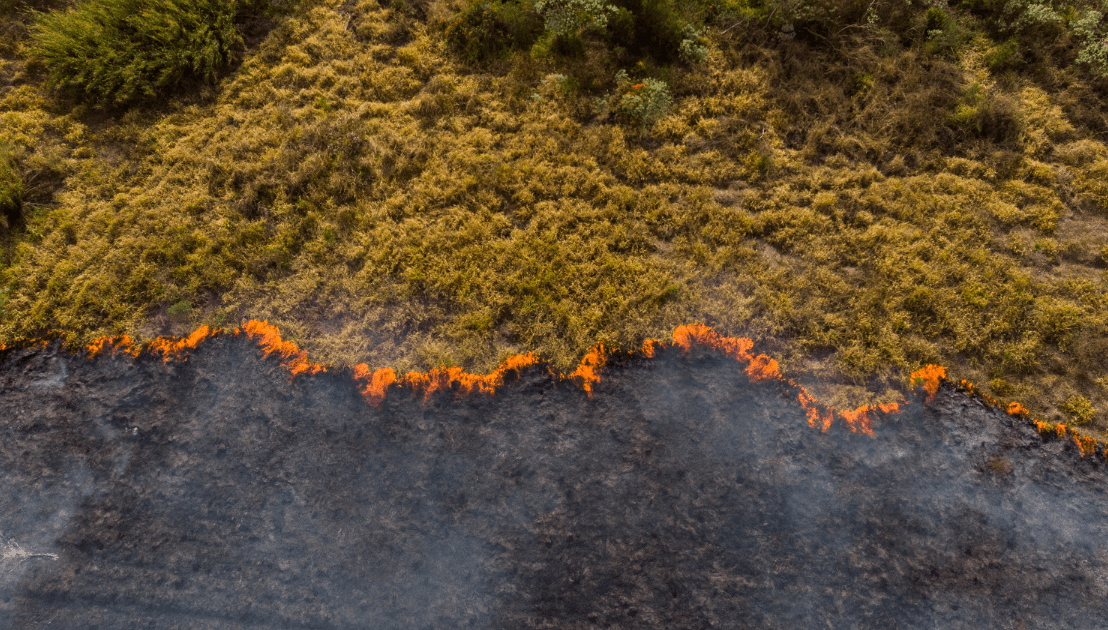
Climate change is one of the biggest challenges facing our planet today. Rising global temperatures, sea levels, and extreme weather events are all contributing to a changing climate. The impact of climate change is not limited to the environment; it also affects insurance rates. In this blog post, we will discuss the impact of climate change on insurance rates and what it means for policyholders.
The Impact of Climate Change on Insurance Rates:
- Increased Frequency and Severity of Natural Disasters: Climate change has led to an increase in the frequency and severity of natural disasters, such as hurricanes, floods, and wildfires. As a result, insurers have had to pay out more in claims, leading to higher insurance rates for policyholders.
- Higher Cost of Reinsurance: Reinsurance is insurance for insurance companies, allowing them to spread the risk of large losses. The cost of reinsurance has increased due to the increased frequency and severity of natural disasters. This increased cost is then passed on to policyholders in the form of higher insurance rates.
- Property Value Depreciation: Properties located in areas prone to natural disasters, such as coastal areas or flood-prone regions, are at a higher risk of damage or destruction. As a result, these properties can experience a decrease in value, leading to higher insurance rates to cover the potential loss.
- Risk Assessment: Insurance companies assess the risk associated with insuring a property. As the risk associated with climate change increases, insurance companies are likely to increase rates to reflect the higher potential for losses.
What It Means for Policyholders:
- Higher Insurance Rates: Policyholders can expect to see higher insurance rates as insurers increase rates to reflect the increased risk associated with climate change.
- Loss of Coverage: In some cases, insurance companies may choose not to provide coverage for properties in areas at a high risk of natural disasters, leaving policyholders without coverage or needing to seek coverage from alternative insurers.
- Mitigation Strategies: Policyholders may need to implement mitigation strategies to reduce the risk of damage or loss to their property. This can include retrofitting homes with stronger materials or elevating homes to reduce the risk of flooding.
In conclusion, the impact of climate change on insurance rates is significant. Higher frequency and severity of natural disasters, higher reinsurance costs, property value depreciation, and risk assessment are all contributing factors. Policyholders can expect to see higher insurance rates and may need to implement mitigation strategies to reduce the risk of damage or loss to their property. It is essential to work with a reputable insurance provider and understand the coverage provided to ensure adequate protection against the impacts of climate change.
 Insurance Insider